Infuse The Bean Coffee Class
Coffee Basics 101 — Class Overview
What it is: A small, hands-on intro to coffee making. No tiers. No packages.
Just one simple class that teaches the fundamentals — from bean to cup.
What guests learn:
Part 1: The Bean (Demo) — Where beans come from, light vs. dark roast, how roasting works, flavor notes, and a short history of coffee
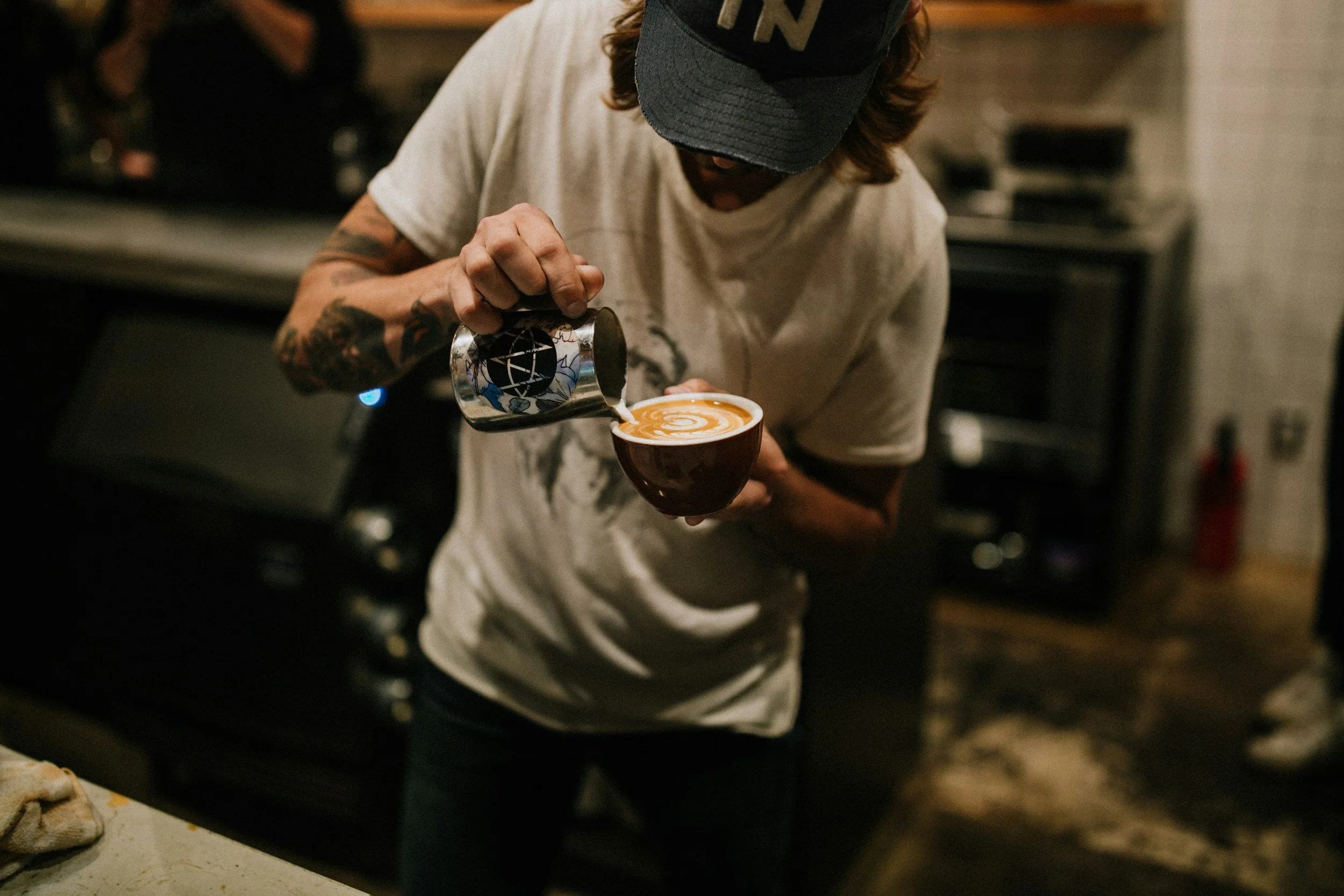
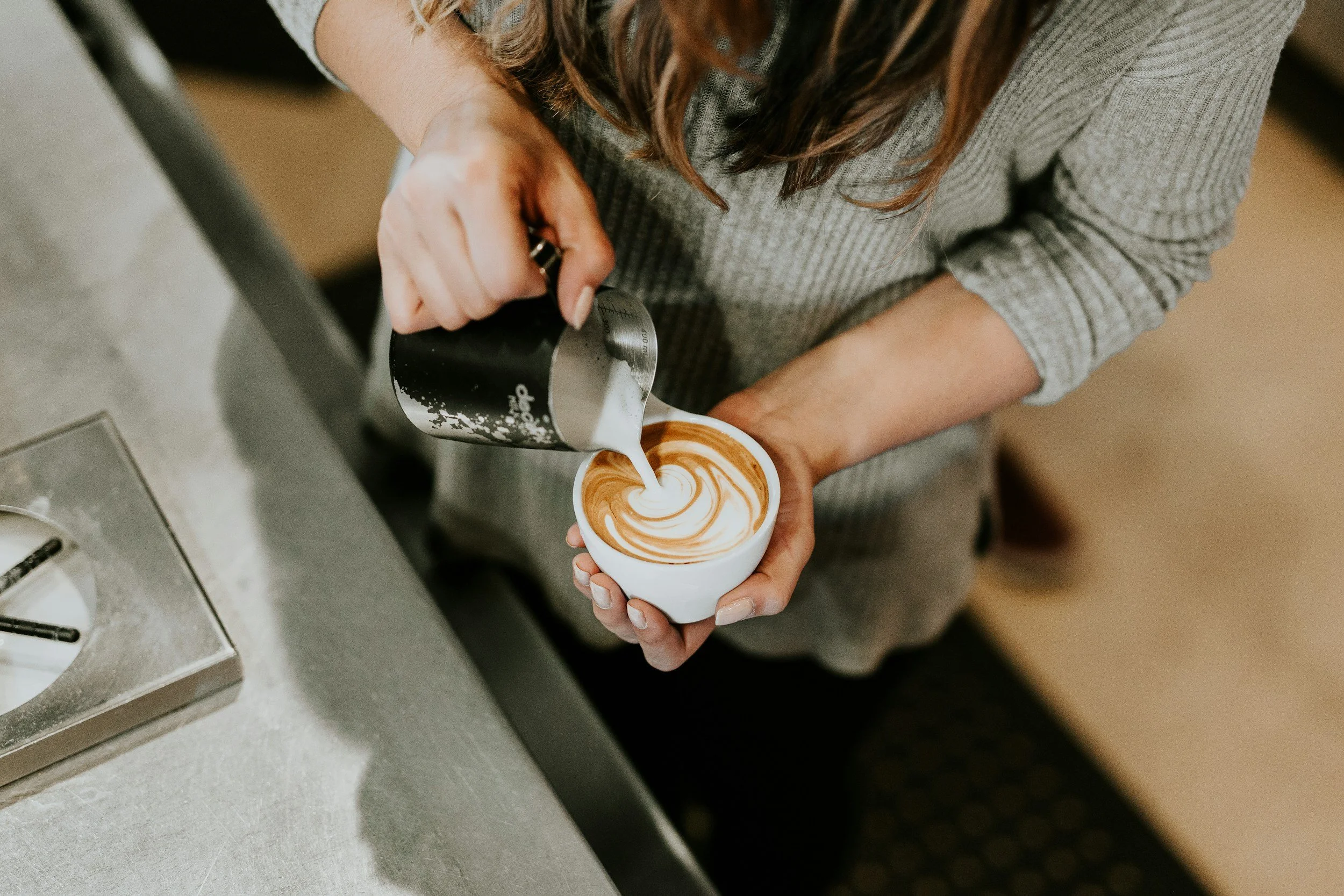
Part 2: The Drinks (Hands-On) — Espresso, cappuccino, latte, milk steaming/frothing, and basic latte art
Format: Demo first (bean education), then hands-on rotation. Small groups (3–4 at a time) on the machine, while others practice milk frothing with handheld frothers. Everyone makes all three drinks and tries their hand at latte art.
Duration: 2 hours
THE LOVING INFUSE THE BEAN COFFEE CLASS RESERVATIONS
Learn all the skills about coffee from Infuse The Bean Coffee Co. — from the bean to the cup. Whether you're a coffee lover or just curious about how it all works, this hands-on class will teach you the process, the knowledge, and the craft behind every great cup.
Part 1: The Bean (Demo Content)
This section gives your class depth without requiring extra equipment.
It positions you as an expert, not just a barista.
Where Coffee Comes From
Coffee originated in Africa and was first domesticated in Arabia
The three major coffee-growing regions have distinct flavor profiles :
Latin American: Clean mouth feel, slightly sweet, lively acidity
African/Arabian: Sweet, fruity flavors — berry, citrus, floral
Pacific: Rich, full-bodied, nutty and earthy
Roast Levels
Light roast: Retains high acidity, perceived as sweeter in all stages
Medium roast: Balanced aroma, sweetness, and uniformity — the crowd-pleaser
Dark roast: Higher intensity of "coffee" attributes — roasted, burnt, ashy notes
The History (Short Version)
Legend says coffee was discovered by a goat herder named Kaldi in 9th century Ethiopia
By the end of the 15th century, coffee was drunk across the Arab world
The first London coffee house opened in 1652
Coffee houses became hubs for intellectuals — Samuel Pepys, Christopher Wren, Voltaire
Part 2: The Drinks (Hands-On Content)
This section covers the three drinks your guests will make.
Espresso
What it is: 1 part espresso, no milk or water
Taste: Bold, dense, concentrated
Key technique: Grinding, dosing, tamping, and extraction
Cappuccino
What it is: 1 part espresso, 1 part steamed milk, 1 part foam
Taste: Balanced, airy, textured
Key technique: Steaming milk to 60°C with fine, dense bubbles, then pouring to create a slight dome of foam
Latte
What it is: 1 part espresso, 2+ parts steamed milk, thin layer of microfoam
Taste: Smooth, mild, creamy — the most mellow espresso drink
Key technique: Pouring gently so milk makes up the bulk of the drink, with no more than 1cm of foam
Latte Art Basics
What it is: Heart and simple designs created by pouring microfoam into espresso
Key technique: Flow control and pattern techniques